
TMD (Temporomandibular Disorder) in Hanmer
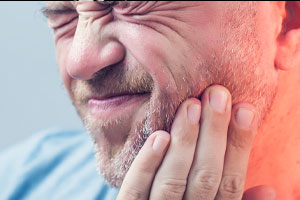
Help Understanding Jaw Pain and TMJ Symptoms
Jaw discomfort can make everyday activities such as eating, speaking and yawning difficult. If you have soreness around your jaw or trouble opening your mouth, a dental assessment can help you understand what may be happening and discuss appropriate care.
At Valley Dental Clinic in Hanmer, Dr. Laura McElligott and our team welcome your questions about temporomandibular disorder, commonly called TMD. Tell us about your symptoms when booking so we can help you arrange a suitable appointment.
What Is the Difference Between TMJ and TMD?
The temporomandibular joints, or TMJs, sit just in front of your ears and connect your lower jaw to your skull. Working with surrounding muscles and ligaments, they allow your jaw to move during chewing, speaking and yawning.
TMD refers to disorders affecting these joints and the muscles involved in jaw movement. Although people often use “TMJ” when describing jaw pain, TMJ names the joint itself, while TMD describes the condition.
Signs and Symptoms of TMD
Symptoms can include:
- Pain or tenderness around the jaw, ears, face or temples.
- Sore chewing muscles or discomfort when eating.
- Jaw stiffness or difficulty opening and closing your mouth.
- Painful clicking, popping or grinding sounds during jaw movement.
- Headaches or neck discomfort occurring alongside jaw symptoms.
Painless clicking is common and generally does not need treatment on its own. Pain, locking or restricted movement deserves assessment. If your jaw problem prevents you from eating or drinking, seek urgent dental or medical advice.
What Can Contribute to Jaw Problems?
TMD does not always have one identifiable cause. Jaw injuries, joint conditions such as arthritis, and muscle tension may play a role. Clenching or grinding your teeth can also make symptoms worse for some people.
Tell your dentist about habits such as biting your nails or chewing pens, and whether discomfort changes during stressful periods. These details can help guide the discussion without assuming that any one habit explains all your symptoms.
What Happens During a TMD Assessment?
Your dentist will ask about your symptoms and examine your jaw. Useful details include when the discomfort began, where you feel it and what makes it better or worse. Imaging may be recommended when needed; it is not automatically required for every patient.
Jaw and facial pain can have other causes, so an assessment matters before choosing treatment. Bring your questions, a current medication list and any information about previous care. If you already wear a nightguard, mention it when arranging your visit.
Conservative Care for TMD

Everyday Habits and Comfort Measures
Many jaw problems improve with simple measures. During a flare-up, softer foods and smaller bites may make eating more comfortable. Avoid gum chewing, biting objects and opening your mouth unusually wide.
A warm or cold pack wrapped in a cloth and gentle muscle massage may help ease discomfort. Notice daytime clenching and allow your jaw to relax, with your teeth slightly apart at rest. Ask a clinician about exercises suited to your symptoms rather than forcing a painful movement.
Nightguards and Teeth Grinding
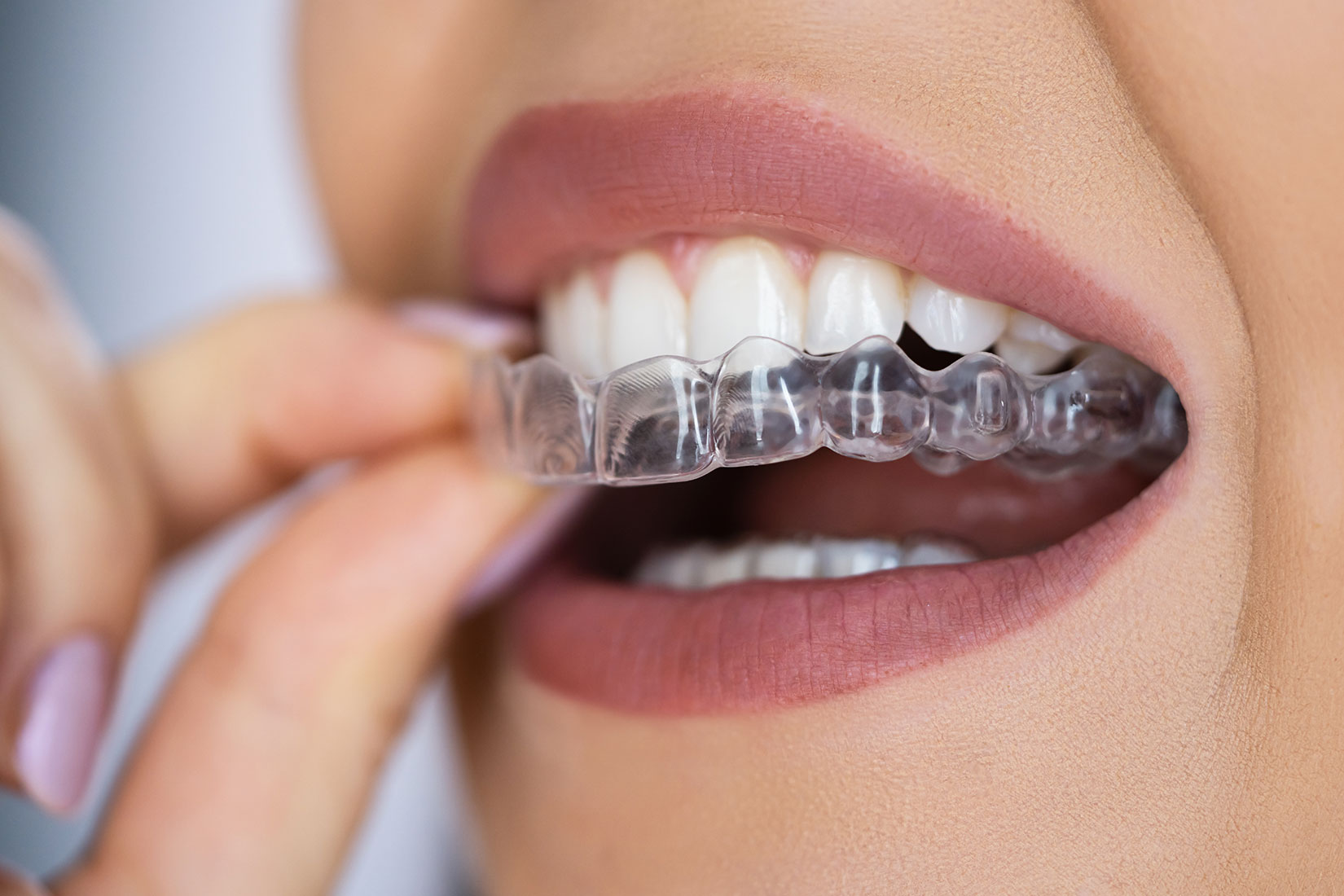
A nightguard, also called an occlusal splint, is an appliance worn over the teeth. Your dentist may discuss one after assessing your needs, particularly if grinding is damaging your teeth.
A guard can help protect teeth, but it does not guarantee relief from TMD pain. Ask what the appliance is intended to do, how to use it and when its fit should be reviewed. Contact your dentist if wearing it causes pain.

Additional Support When Needed
Depending on your assessment, care may include advice about relaxation, sleep or medicines. Your dentist may also recommend another healthcare professional, such as a physiotherapist or behavioural therapist, or arrange a specialist referral.
Follow-up gives you a chance to explain what has improved and what remains difficult. Ask when to return and whom to contact if symptoms change.
Frequently Asked Questions About TMD
Should I book a visit for a clicking jaw?
If clicking comes with pain, locking or difficulty moving your jaw, arrange an assessment. Mention painless clicking at your next dental visit if you have questions about it.
Can TMD cause headaches?
Headaches can occur alongside TMD, but they also have other causes. Tell your dentist and doctor about recurring headaches rather than assuming your jaw is responsible.
Is teeth grinding the same as TMD?
No. Grinding and clenching are called bruxism. They may occur with jaw symptoms, but the terms describe different problems. Your dentist can discuss whether tooth protection is appropriate.
How long does TMD last?
Some symptoms settle quickly, while others persist or return. There is no single recovery timetable. Ask about follow-up if discomfort continues or affects your daily activities.
Will I need surgery?
Conservative, reversible care is usually the starting point. Surgery is reserved for selected situations requiring specialist assessment. An initial appointment is an opportunity to understand your options.
Book a Jaw Assessment at Valley Dental Clinic
You do not need to know whether you have TMD before contacting us. Describe what you are experiencing and ask about the next step.
Valley Dental Clinic is located inside the Hanmer Valley Shopping Centre, with free parking available. Our family dental practice welcomes new patients and offers evening appointments.