Preventative Dentistry in Hanmer

Everyday Care for a Healthier Smile
Looking after your teeth and gums involves both daily habits and professional dental care. Preventative dentistry helps reduce the risk of problems such as cavities and gum disease, while regular assessments can identify concerns that need attention.
At Valley Dental Clinic in Hanmer, Dr. Laura McElligott and our team can help you understand your oral health and build a practical care routine. Whether you are keeping up with regular appointments or returning after some time away, we welcome your questions.
What Is Preventative Dentistry?
Preventative dentistry combines dental examinations, professional cleanings and advice about care at home. It focuses on reducing risk and detecting problems early, rather than waiting until a tooth hurts.
Your needs can change over time. The dental team will consider your current oral health and history when discussing your care and the timing of future visits.
Dental Checkups and Professional Cleanings

Dental Examinations
A dental examination assesses your teeth, gums and mouth for signs of problems. It also gives you an opportunity to discuss symptoms, changes in your health and questions about treatment or home care.
Tell the dentist about any sensitivity, bleeding gums or other changes you have noticed. Update your medical history and medication information so your care can reflect your current needs.
Professional Teeth Cleaning
Plaque is a sticky film containing bacteria. If it is not removed effectively, it can harden into tartar, making teeth harder to keep clean. Professional cleanings help remove buildup that daily brushing alone cannot manage.
Your dental team can also demonstrate techniques and recommend tools for areas you find difficult to clean. Home care and professional care work together.

Supporting Healthy Gums
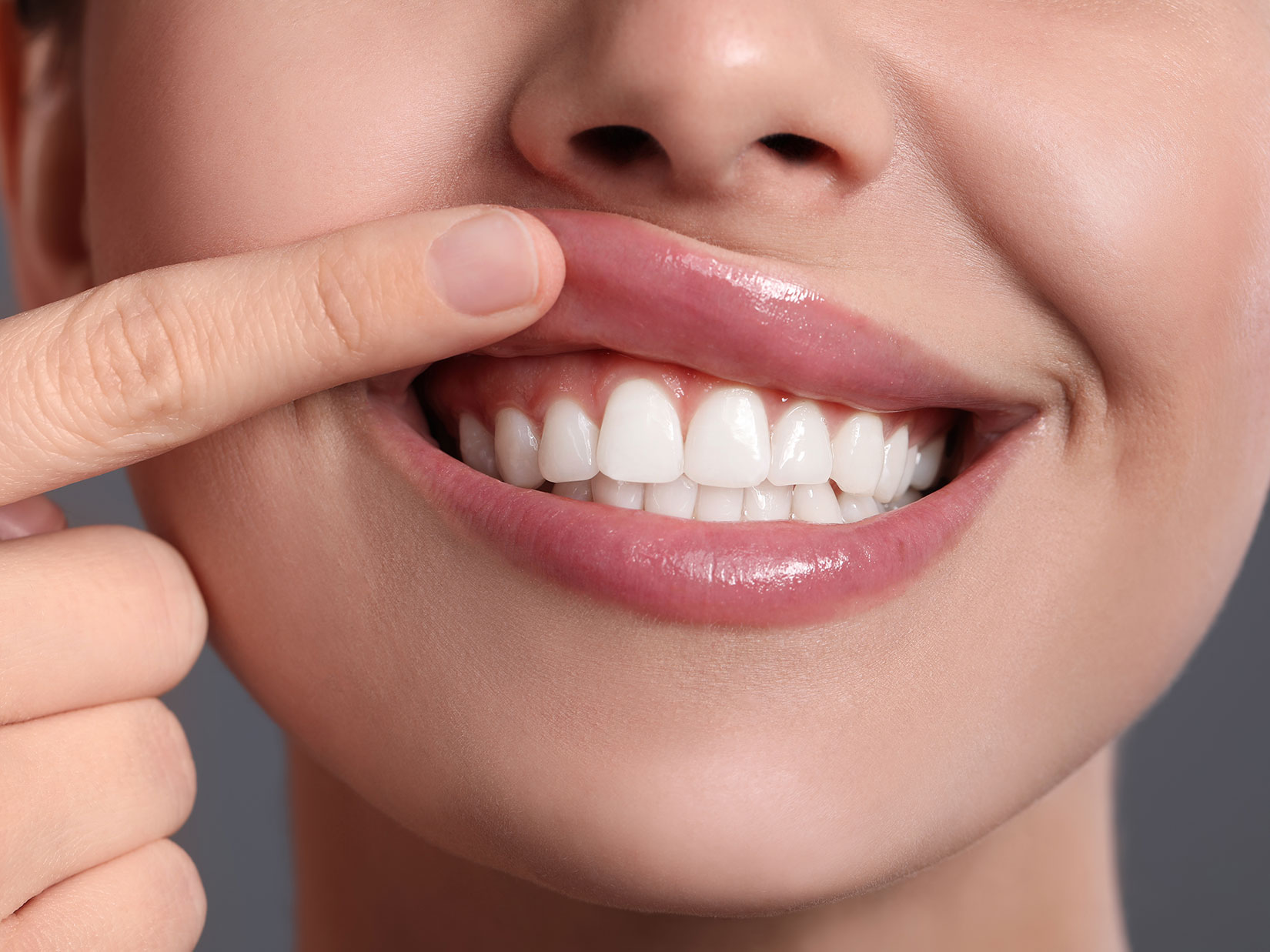
Gum health is an important part of preventative care. Bleeding when brushing or cleaning between teeth, persistent bad breath, or red and swollen gums are reasons to contact the clinic for advice.
These signs need assessment; they do not tell you the diagnosis on their own. Ask your dental team how your gums are doing and whether your cleaning routine needs adjustment.
Four Habits to Support Your Oral Health
Brush Twice Daily
Use a soft-bristled toothbrush and brush for two minutes. For adults, fluoride toothpaste is recommended. Replace your toothbrush when the bristles become worn or frayed, or about every three months.
Ask for advice if reaching your back teeth, brushing around restorations or choosing a toothbrush is difficult.
Clean Between Your Teeth Daily
Brushing does not clean every space between teeth. Flossing helps remove trapped food and plaque. If floss is difficult to use, ask which alternative interdental tools may suit your mouth.
Choose a Balanced Diet
Limit sugary snacks and drinks, choose a variety of nutritious foods and drink water regularly. Discuss your eating and drinking habits with the dental team if you have questions about how they affect your teeth.
Keep Recommended Dental Appointments
Regular visits help the team follow your oral health over time. Your recommended schedule depends on your needs, rather than one interval applying to everyone.
Preventative Care for Children
Children benefit from early dental assessments and help developing daily cleaning habits. Parents can ask about age-appropriate toothpaste, brushing assistance and cavity prevention.
Fluoride treatments and dental sealants may be recommended according to a child’s needs. These measures support prevention alongside home care and regular appointments.
Learn more about dentistry for children at Valley Dental Clinic.
Returning to Dental Care After a Break
If it has been a while since your last appointment, you can start by calling and explaining your concerns. You do not need to decide on treatment before arranging an assessment.
Let us know if you feel nervous, have questions about costs or want help improving your routine. An appointment is an opportunity to understand where things stand and discuss the next step.
Frequently Asked Questions About Preventative Dentistry
How often should I have a dental checkup?
The interval depends on your oral health, past problems and risk factors. Ask your dentist when to return and why that schedule is recommended for you.
Do I need a checkup if my teeth feel fine?
Yes, regular assessments still have a role. Do not wait for pain before seeking care; visits can help identify concerns before they become more difficult to manage.
Do I need X-rays at every visit?
Not necessarily. The dentist recommends X-rays based on your needs and what needs to be assessed or monitored. Ask why an X-ray is recommended if you are unsure.
Why do I need cleaning if I brush and floss?
Professional cleaning and daily care serve complementary purposes. Cleaning helps remove buildup, while your examination and discussion can identify changes needed in your routine.
What if my gums bleed when I brush or floss?
Tell the dental team. Bleeding can be a sign of a gum problem, and an assessment can help determine the cause and appropriate care.
Can preventative care guarantee I will never need treatment?
No. Good habits and professional care help reduce risk, but they cannot prevent every problem. Your dentist can explain any treatment recommendations and the options available.
Book Preventative Dental Care in Hanmer
Keeping your smile healthy starts with manageable daily habits and care suited to your needs. We welcome the opportunity to answer your questions and help you plan your next visit.
Valley Dental Clinic is located inside the Hanmer Valley Shopping Centre, with free parking available. Our family dental practice welcomes new patients and offers evening appointments.